

UW Research Show Massive Seabird Die-Offs Off West Coast Indicator Of Marine Heat Waves; Can Kill Millions Of Birds Within Months
July 13th, 2023
New research led by the University of Washington uses data collected by coastal residents along beaches from central California to Alaska to understand how seabirds have fared in recent decades. The paper shows that persistent marine heat waves lead to massive seabird die-offs months later.
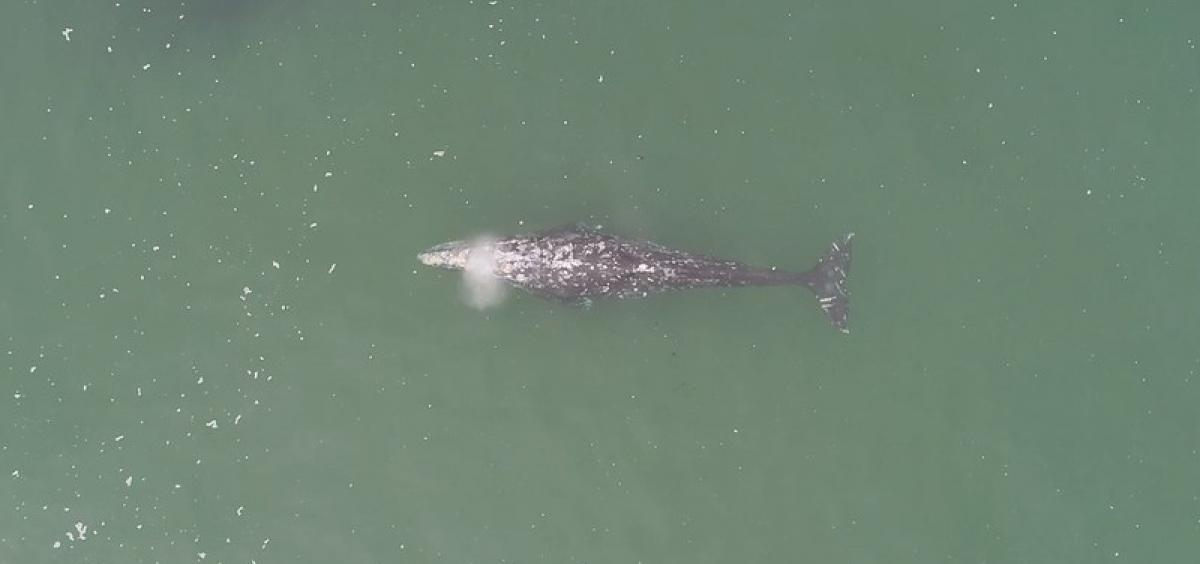
NOAA Fisheries New Count Of West Coast Gray Whales Shows Continued Decline, Connected To Shifting Prey Abundance In Arctic
July 13th, 2023
A new count of gray whales that migrate along the West Coast each year found a continued decline of this population. However, new clues suggest that population numbers may soon start to rebound.
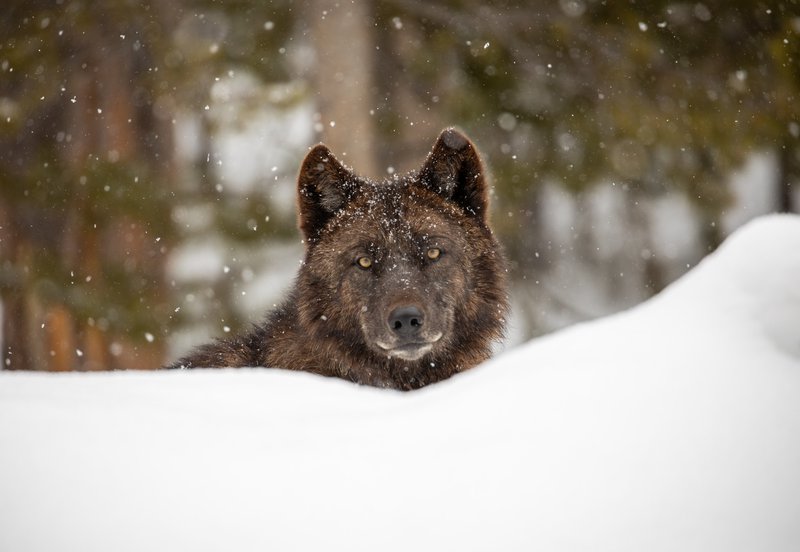
Montana Wolf Population Drops Slightly To 1,087 Wolves, Packs Now At 181, Down By 10; 258 Animals Harvested
June 29th, 2023
For the second year in a row, wolf numbers in Montana did again fall slightly in 2022, according to the 2022 Montana Fish, Wildlife & Parks Wolf Report.
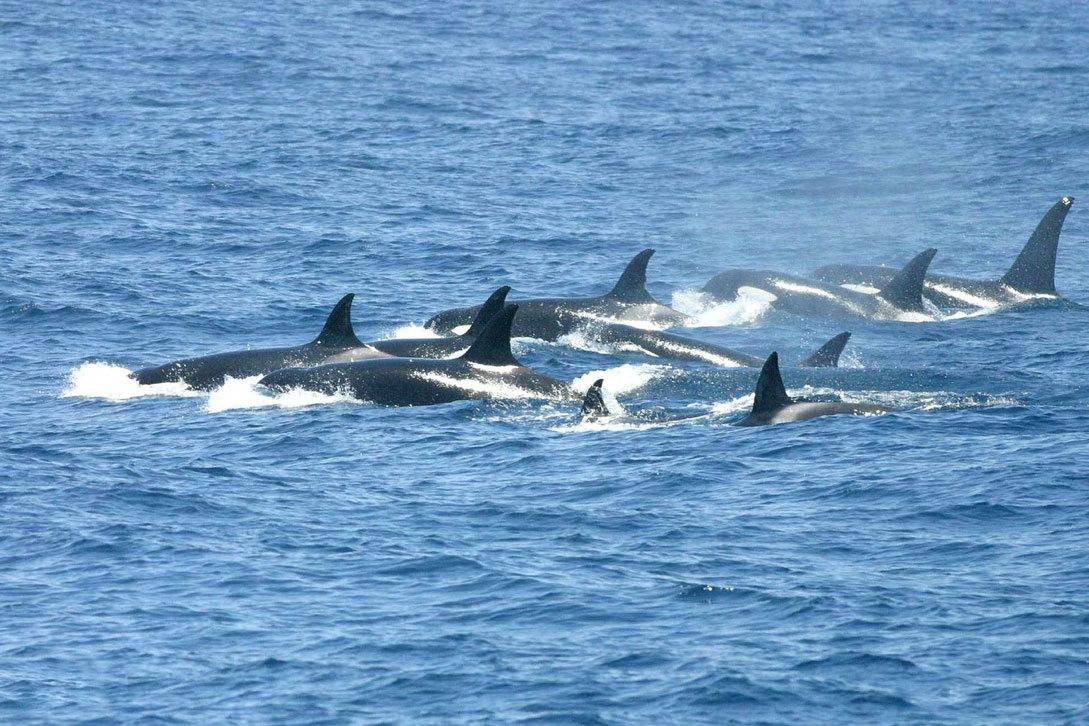
Scientists Concerned About Increasing Skin Disease In Southern Resident Killer Whales; May Be Sign Of Compromised Immune System
June 29th, 2023
In a recently published study, scientists investigating the endangered southern resident killer whales have made a noteworthy observation: the prevalence of skin disease within this population has shown a significant increase.
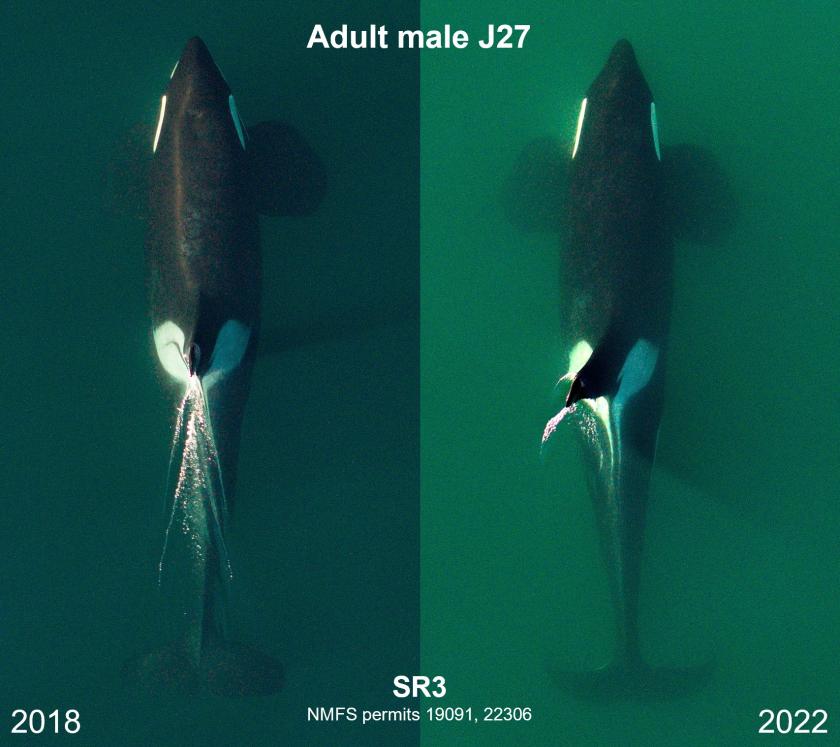
NOAA Court Filing Defends Hatchery ‘Prey Increase’ Program For Imperiled Orcas; A ‘Critical Tool’ To Provide Salmon For Whales Suffering Food Shortage
June 21st, 2023
A three-year-old hatchery production program spread across Puget Sound and the Columbia and Snake rivers, designed specifically to provide more food for Southern Resident killer whales should remain in place, according to NOAA Fisheries in its most recent declaration in federal court.
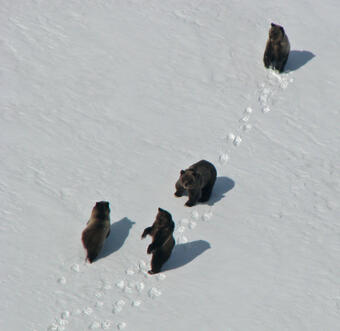
Study: Even With Population Density Increase, Food Decline, Climate Change, Human Impacts, Yellowstone Grizzlies Maintaining Body Fat For Hibernation
June 8th, 2023
Grizzly bears in the Greater Yellowstone Ecosystem have been able to gain the body fat they need for hibernation even as population densities have increased and as climate change and human impacts have changed the availability of some foods, according to a new study by the U.S. Geological Survey and its partners.

Washington Predator-Prey Project: New Research Shows Coyotes, Bobcats Move Into Human Inhabited Areas To Avoid Cougars, Wolves
May 24th, 2023
Since their protection under the Endangered Species Act, wolf populations have been making a comeback in the continental United States. Conservationists have argued that the presence of wolves and other apex predators, so named because they have no known predators aside from people, can help keep smaller predator species in check.
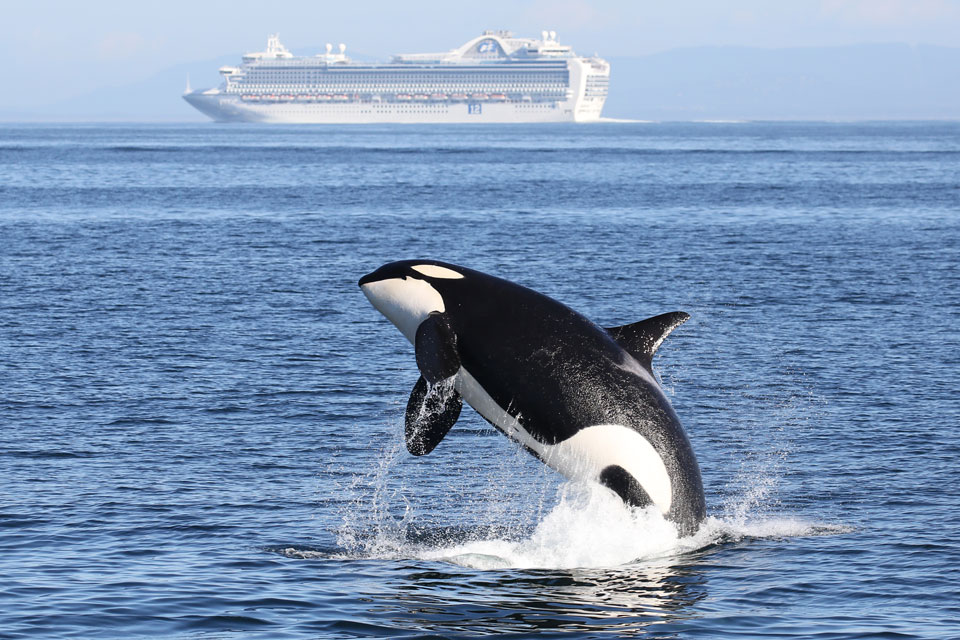
Inslee Signs Legislation Creating 1000-Yard Mandatory Vessel Buffer Around Endangered Orcas, Effective Jan. 2025
May 18th, 2023
Washington Gov. Jay Inslee has signed new legislation to create a mandatory 1,000-yard vessel buffer around Southern Resident killer whales to protect the endangered population from vessel noise and disturbance. The expanded buffer requirement goes into effect January 2025.
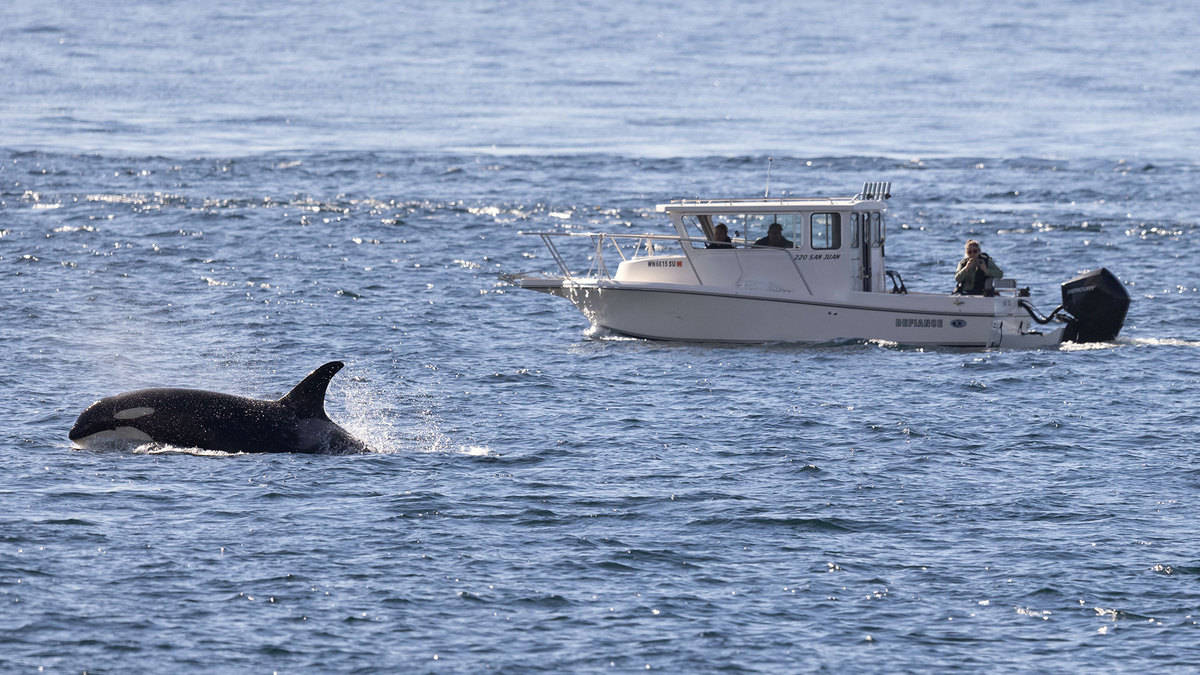
Southern Resident Orca Buffer Bill Clears Washington Legislature; All Boats Must Stay 1,000 Yards From Killer Whales
April 20th, 2023
A bill to create a 1,000-yard buffer around the critically endangered Southern Resident orcas is headed to Washington Gov. Jay Inslee’s desk for his signature after clearing a final legislative hurdle this week. Senate Bill 5371 requires that boaters stay 1,000 yards away from Southern Residents, beginning in 2025.