Latest News
Do the effects of juvenile salmon and steelhead passage through the four lower Snake River dams carry over into later life stages, contributing to high mortality in the ocean and far too low smolt-to-adult returns to the Snake River basin? In other words, does the stress of dam passage lead to delayed mortality?
Read the full article...
Become a Member and get unlimited access to all articles.Register
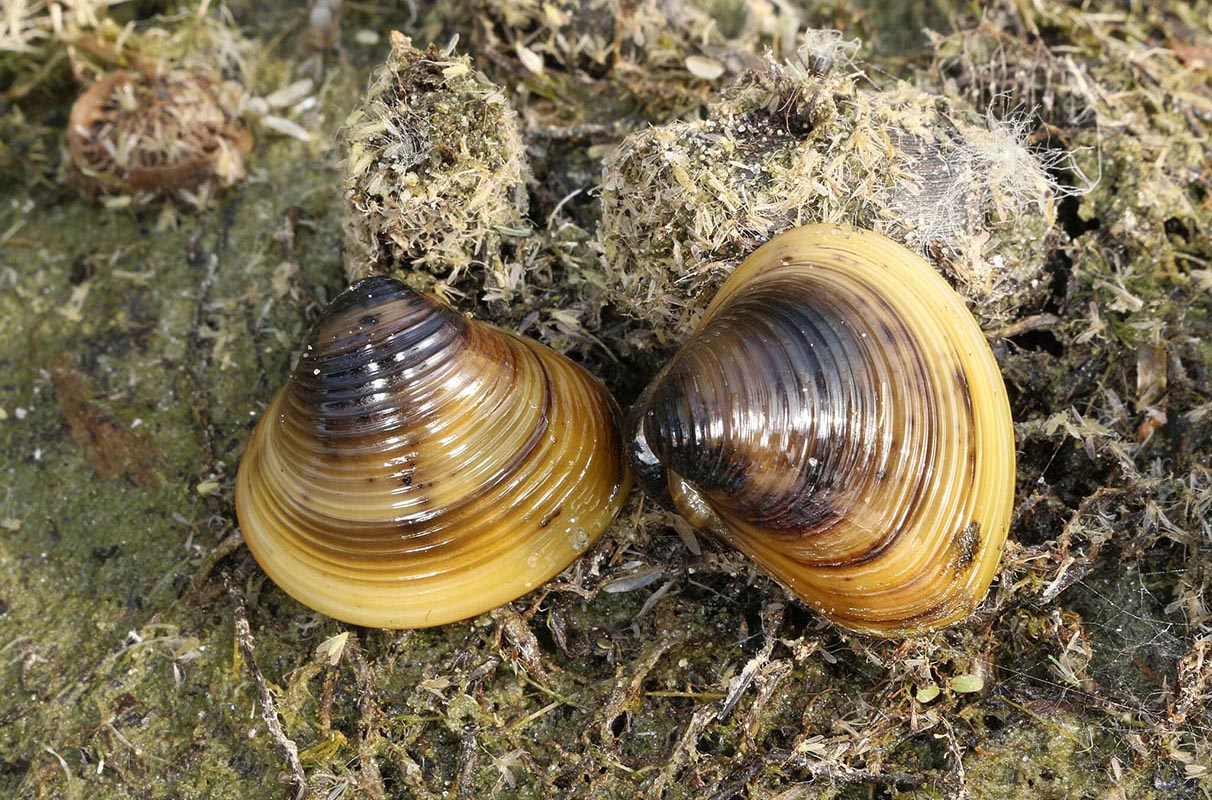
The invasive Asian clam is more common in the lower Columbia River than its native habitat of southeast Asia, according to a study of the clam’s abundance in the river.
Read the full article...
Become a Member and get unlimited access to all articles.Register
Become a CBB Member

Get exclusive reporting and access to all articles
Subscribe
The Oregon and Washington Departments of Fish and Wildlife have issued their annual joint report describing upcoming fall fisheries in the mainstem Columbia River. It includes a review of those fisheries that occurred in 2022 and expectations for 2023 fall fish runs.
Read the full article...
Become a Member and get unlimited access to all articles.Register
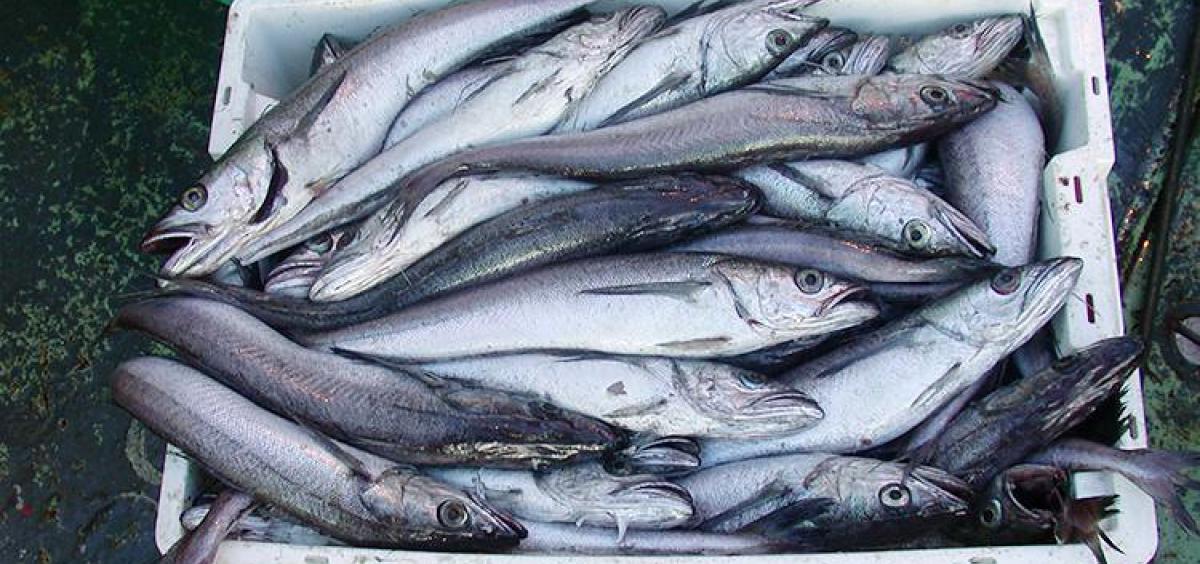
Rates of Chinook salmon bycatch in the Pacific hake fishery rise during years when ocean temperatures are warmer, a signal that climate change and increased frequency of marine heatwaves could lead to higher bycatch rates, new research indicates.
Read the full article...
Become a Member and get unlimited access to all articles.Register
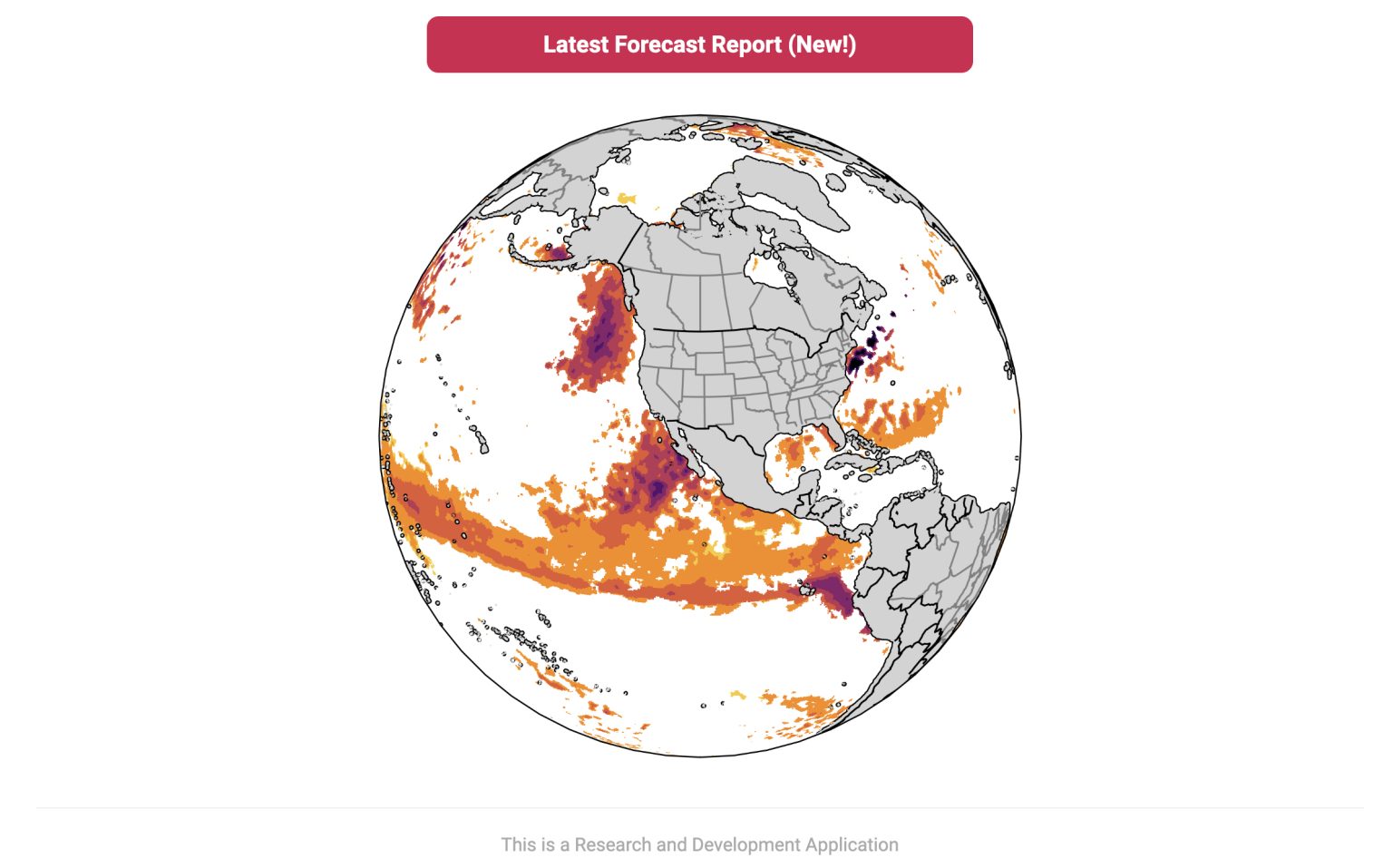
As scientists around the world sound the alarm about record sea surface temperatures, a new experimental NOAA forecast system predicts that half of the global ocean may experience marine heatwave conditions by the end of summer.
Read the full article...
Become a Member and get unlimited access to all articles.Register
New research led by the University of Washington uses data collected by coastal residents along beaches from central California to Alaska to understand how seabirds have fared in recent decades. The paper shows that persistent marine heat waves lead to massive seabird die-offs months later.
Read the full article...
Become a Member and get unlimited access to all articles.Register
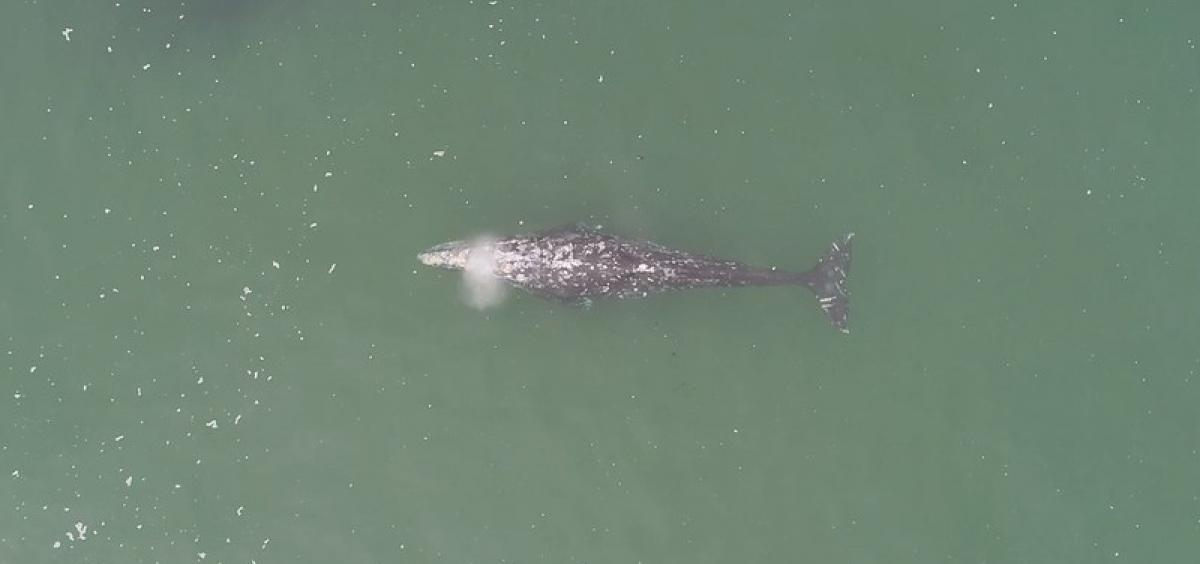
A new count of gray whales that migrate along the West Coast each year found a continued decline of this population. However, new clues suggest that population numbers may soon start to rebound.
Read the full article...
Become a Member and get unlimited access to all articles.Register