
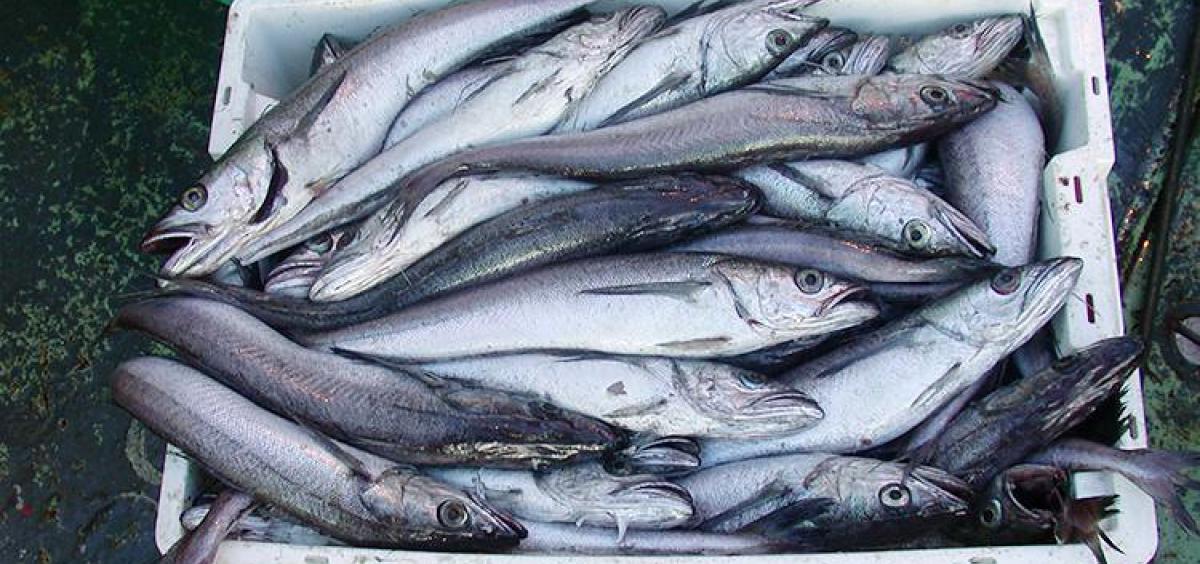
When Ocean Warms, Chinook Bycatch In Pacific Hake Fishery Rises; Changing Water Temperatures Affect Salmon Distribution
July 13th, 2023
Rates of Chinook salmon bycatch in the Pacific hake fishery rise during years when ocean temperatures are warmer, a signal that climate change and increased frequency of marine heatwaves could lead to higher bycatch rates, new research indicates.
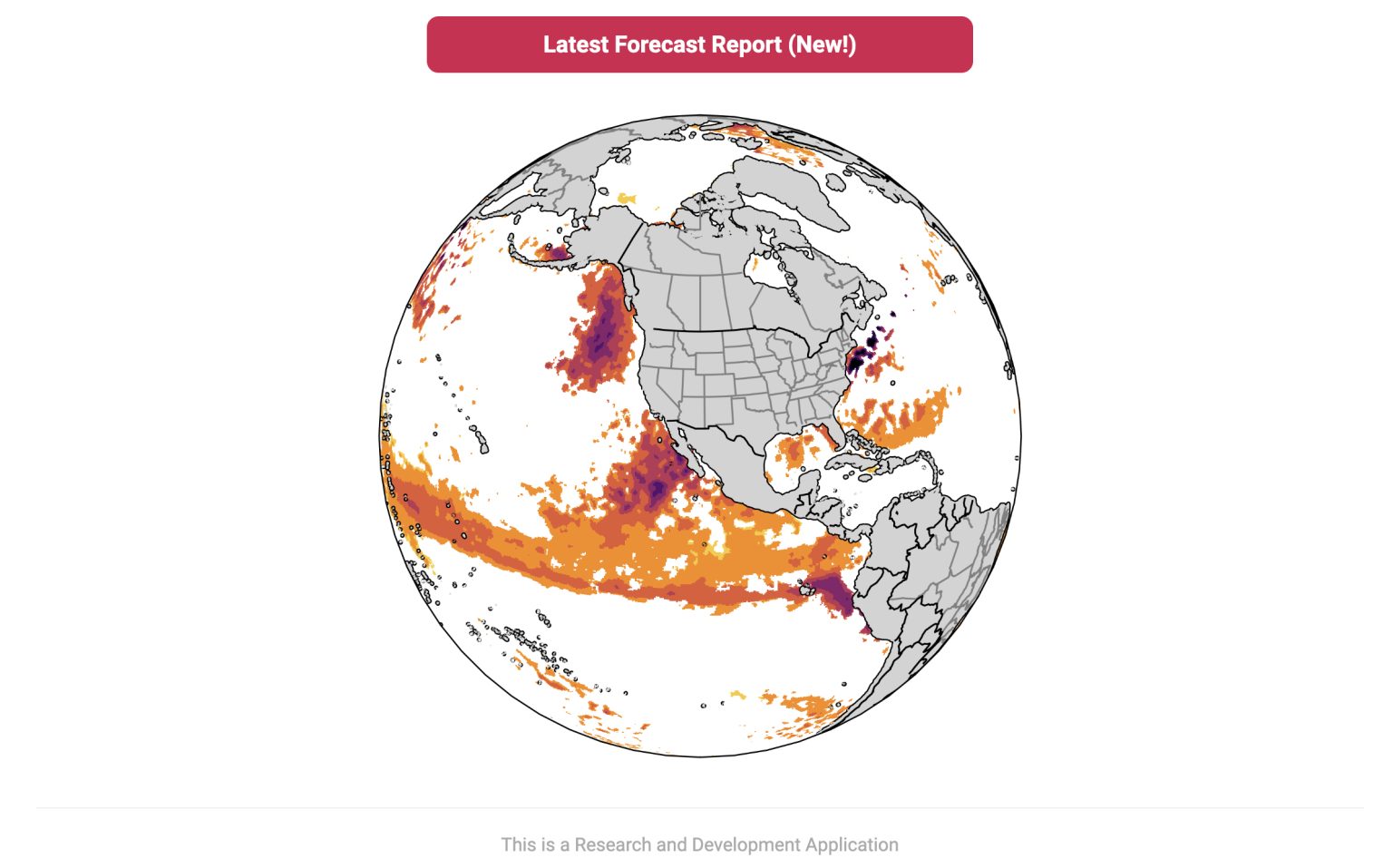
We’re In Hot Water: Half The World’s Ocean May Experience Marine Heatwave Conditions By September, Never So Widespread
July 13th, 2023
As scientists around the world sound the alarm about record sea surface temperatures, a new experimental NOAA forecast system predicts that half of the global ocean may experience marine heatwave conditions by the end of summer.

UW Research Show Massive Seabird Die-Offs Off West Coast Indicator Of Marine Heat Waves; Can Kill Millions Of Birds Within Months
July 13th, 2023
New research led by the University of Washington uses data collected by coastal residents along beaches from central California to Alaska to understand how seabirds have fared in recent decades. The paper shows that persistent marine heat waves lead to massive seabird die-offs months later.
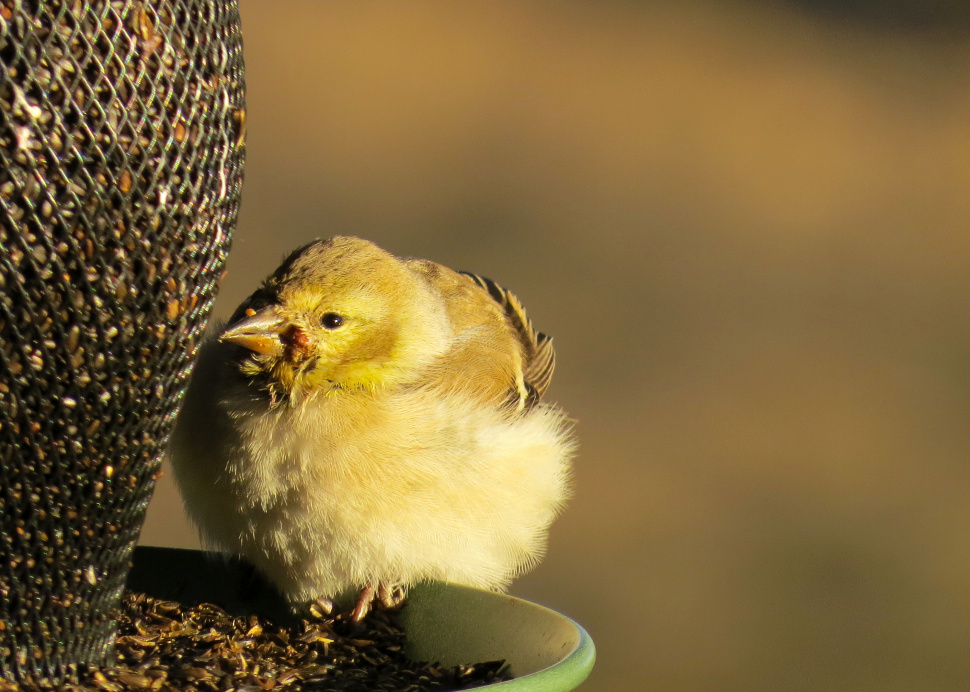
Avian Responses To Climate Change: Birds Raise Fewer Young When Spring Arrives Earlier In A Warming World
July 13th, 2023
A new study of North American songbirds finds that birds can’t keep up with the earlier arrival of spring caused by climate change. As a result, they’re raising fewer young.
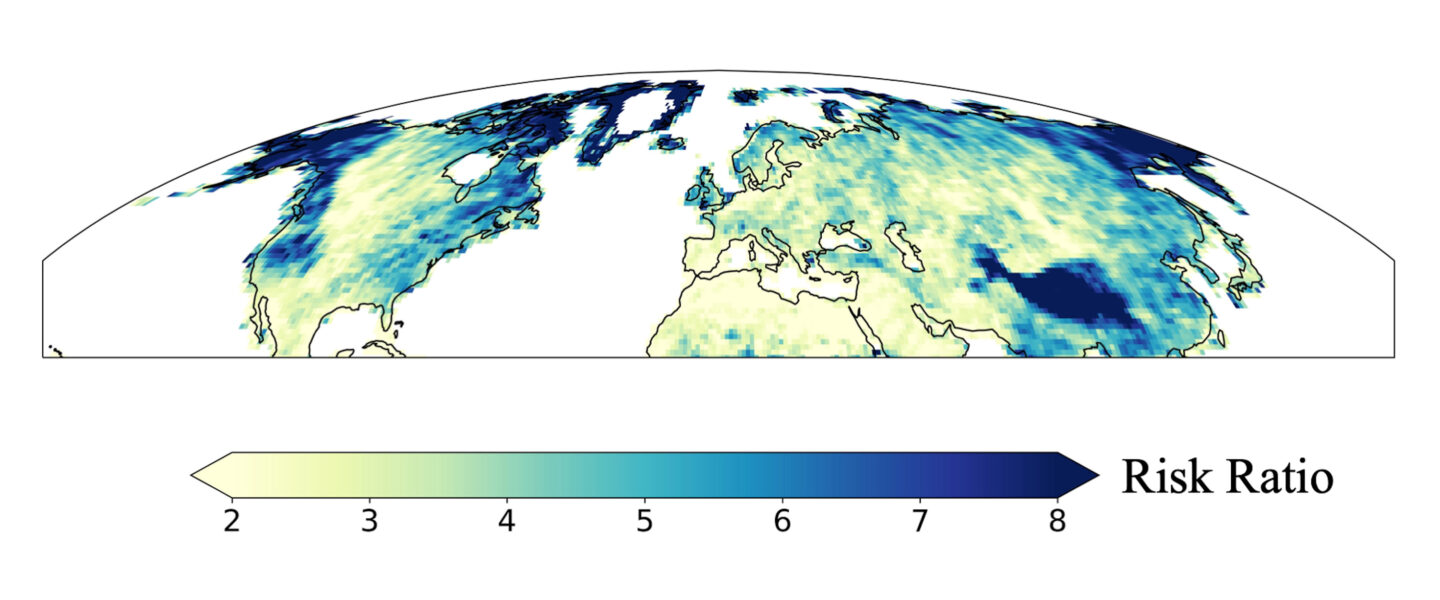
Cascades, Coastal Mountain Ranges Most Vulnerable To Shift From Snow To Extreme Rain Due To Warming World, Civil Engineers Should Prepare
June 29th, 2023
As the world warms, extreme weather events grow – and they also change. Researchers at the Department of Energy’s Lawrence Berkeley National Laboratory found that climate change is shifting snowfall to rainfall on mountains across the Northern Hemisphere. Those surges of liquid water bring a distinct set of dangers, including floods, landslides, and soil erosion.
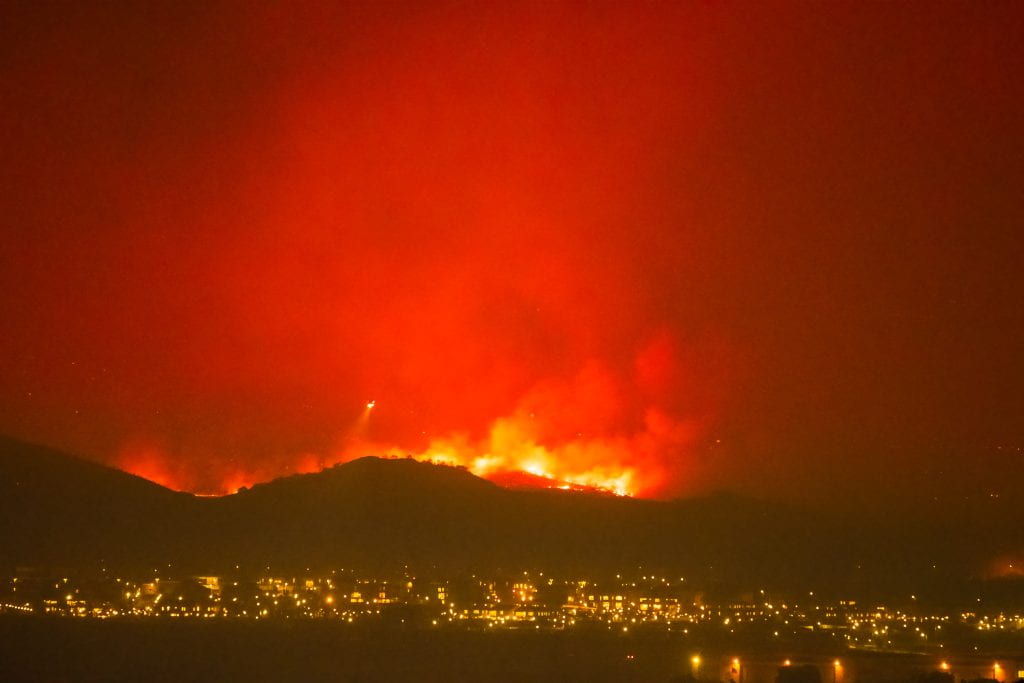
Study Shows Human-Caused Climate Change Cause For Increase In California Wildfires, Five Largest Since 2020
June 16th, 2023
n the quarter century between 1996 and 2020, wildfires in California consumed five times more area than they did from 1971 to 1995. Researchers at the University of California and other international institutions have concluded that nearly all of the increase in scorched terrain can be blamed on human-caused climate change.
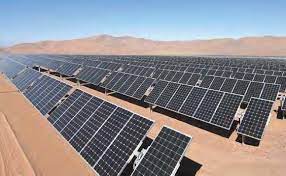
Clean Energy Microgrids Can Help Communities Adapt To Wildfires, Safety Power Shutoffs
June 16th, 2023
Wildfires have become increasingly frequent due to climate change, with record occurrences in areas not historically prone to them. In California, wildfires and regional power shutoffs have cost billions and taken lives. For some 46 million Americans living next to forests – at what scientists call the “wildland-urban interface” (WUI) – the risks of wildfire can be especially acute.

Lessons From ‘Blob’ Will Help Manage Fisheries During Future Marine Heatwaves; ‘Greatest Immediate Climate Threat To Oceans’
June 8th, 2023
In early 2014, a great anomaly descended upon the seas: A patch of warm water that manifested in the Gulf of Alaska. Scientists called it “The Blob.”
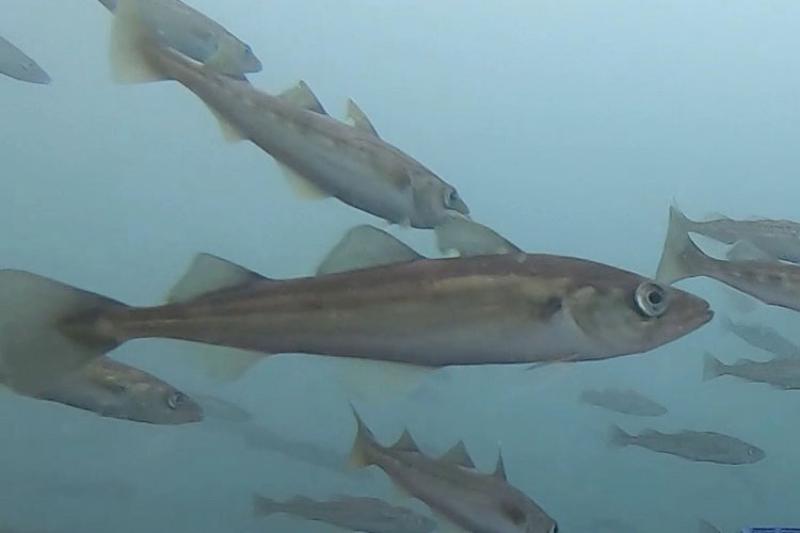
Alaskan, Russian Scientists Collaborate To Study How Ocean Warming Driving Bering Sea Fish Stocks Beyond Traditional Habitats
June 8th, 2023
As the ocean warms, marine fish are on the move—beyond their traditional habitats and across international boundaries. Understanding these patterns of movement is essential to predicting change and managing climate-resilient fisheries.